

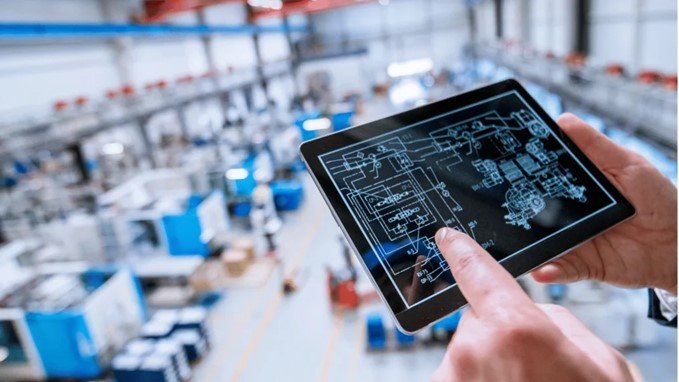
Picture this: a factory floor suddenly goes quiet. Workers shuffle awkwardly, checking phones while managers frantically dial technicians. Every minute that goes by is costing money, and at times, huge sums can disappear quickly. The same awful thing happens in factories everywhere every day, but things have started to improve. Smart technology now offers manufacturers a fighting chance against the old enemy of unexpected breakdowns.
Fixing Problems Before They Happen
Remember when your refrigerator made that strange noise? You likely didn’t pay attention to it until it failed, leaving you with spoiled milk and remorse. Factories used to operate the same way; run equipment until failure, then scramble to fix it. Not anymore.
Today’s sensors act like tiny doctors, constantly checking equipment vital signs. A motor bearing heats up three degrees above normal? Alert sent. Vibration frequency shifts in a gearbox? Technicians get notified long before catastrophe strikes. Some facilities see maintenance bills drop by a third after ditching their old “replace it every six months regardless” schedules. Parts last longer when you actually monitor their condition instead of guessing.
Processing Power Meets the Factory Floor
Here’s where things get really interesting. According to the people at Blues IoT, edge computing for industrial automation puts brainpower directly inside manufacturing equipment. Rather than beaming every measurement to some faraway server farm, machines now think for themselves. A bottling line spots a crooked cap and adjusts instantly. Welding robots detect metal thickness variations and adapt their heat settings on the fly.
This rapid decision-making occurs because the processing is done immediately, close to where the event takes place. There’s no waiting for cloud servers to answer. There are no internet delays. Only quick fixes to ensure uninterrupted production.
Virtual Factories Test Real Ideas
Before a single wrench is used, engineers now create entire manufacturing processes using only computers. These digital copies, referred to as digital twins, precisely replicate the look and function of physical equipment. Wild as it seems, the result is brilliant.
Consider this scenario: management wants faster throughput. Old approach? Move actual equipment around, hope for the best, probably make things worse before getting them right. New approach? Test twenty different configurations virtually, find the winner, then implement once with confidence. One automotive parts supplier avoided three weeks of trial-and-error testing by simulating changes first. Their digital experiments revealed a bottleneck nobody expected, saving massive headaches down the road.
Making Old Equipment Smarter
Here’s the beautiful part; you don’t need to trash perfectly good machinery to join the smart technology revolution. Modern solutions bolt onto existing equipment like accessories. Vibration sensors stick to motor housings. Temperature probes slip into existing ports. Gateway boxes translate between 40-year-old controllers and cutting-edge software.
Small steps work best anyway. Pick your worst troublemaker machine, make it smart, prove the value. Success there funds the next upgrade. Workers appreciate this gradual approach too as nobody likes learning ten new systems simultaneously.
Conclusion
Manufacturing has reached an inflection point. Facilities running smart technology report staggering improvements: half as many surprise breakdowns, 20% productivity gains, quality issues approaching statistical zero. The math speaks for itself. But perhaps the biggest shift involves mindset. Production managers no longer dread Monday mornings, wondering what broke over the weekend. Maintenance teams plan their days instead of constantly reacting to emergencies. Smart technology overhauls manufacturing. It turns it from a struggle against disorder into a proactive pursuit of perfection. It’s no longer a question of whether to adopt these tools. It is one of how swiftly you can integrate them before your rivals pull ahead.